
Loading Map...

What is Dialysis?
Dialysis is a life-saving medical procedure used to filter and remove waste products, excess fluids, and toxins from the blood when the kidneys can no longer perform these functions effectively. It helps maintain the body’s electrolyte and fluid balance, which is essential for normal body functioning. Dialysis is commonly used in patients with kidney failure and is done through either hemodialysis or peritoneal dialysis to manage their condition.

In what situations would a patient require dialysis therapy?
Dialysis is required when the kidneys cannot filter waste, toxins, and excess fluids from the blood effectively. Situations necessitating dialysis include:
End-Stage Renal Disease (ESRD): When chronic kidney disease (CKD) progresses to stage 5, with kidney function below 15%, dialysis is needed to perform the kidneys' filtration duties.
Acute Kidney Injury (AKI): Sudden, severe kidney failure from trauma, infection, or toxins may require temporary dialysis while kidneys recover.
Severe Electrolyte Imbalances: Critical levels of potassium, sodium, or acids in the blood that cannot be corrected with medications alone.
Fluid Overload: Excess fluid accumulation leading to complications like pulmonary edema or heart failure that cannot be managed through other means.
Uremia: Accumulation of waste products in the blood causing severe symptoms such as nausea, confusion, or pericarditis.
What are the functions and processes of the kidneys?
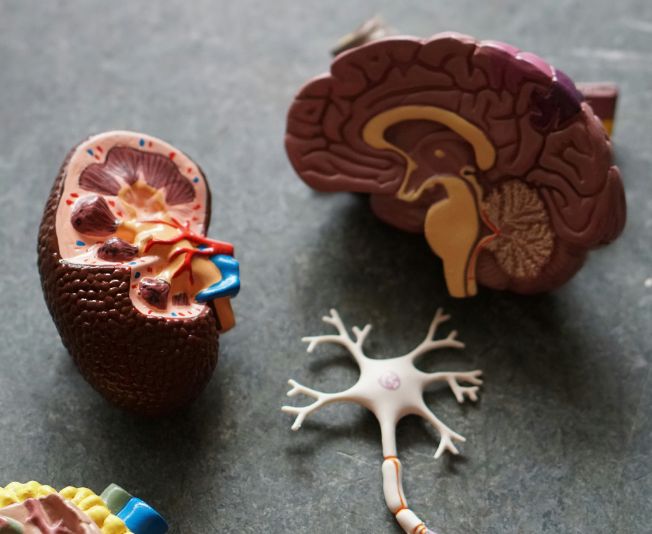
The kidneys filter blood, remove waste and fluids, regulate blood pressure, produce erythropoietin, control acid-base balance, and help activate vitamin D for calcium absorption. These functions are essential for overall health.
Types of Dialysis
There are two main types of dialysis: Hemodialysis and Peritoneal dialysis.
Hemodialysis
Hemodialysis involves circulating the patient's blood outside the body through a machine that filters out waste products and excess fluids before returning the cleansed blood to the body. It requires vascular access, typically through an arteriovenous fistula or graft, allowing blood to flow continuously during treatment. Hemodialysis is usually performed in a clinic or hospital setting, typically three times a week.
Peritoneal Dialysis
Peritoneal dialysis uses the patient's peritoneum, a membrane lining the abdomen, as a natural filter. Dialysis fluid is introduced into the peritoneal cavity through a catheter, where it absorbs waste products and excess fluids from the blood. After a dwell time, the fluid, now containing waste, is drained out. Peritoneal dialysis can be done at home, offering more flexibility in treatment schedules and lifestyle.
Both types of dialysis serve to manage kidney failure by maintaining fluid balance, electrolyte levels, and removing toxins from the body.
Dialysis Procedure
In dialysis, excess fluids and waste products are removed from the blood. Hemodialysis uses an artificial machine to purify the blood, while peritoneal dialysis uses the body’s peritoneum. Healthcare professionals choose the most suitable method based on individual patient needs.
Frequently Asked Questions
Quick answers to the questions you may have.
Your query is still not answered?
Try contact us

Contact Us
Tell us more about your query


